
Mud, microbes, and magic: Why kids need dirty play
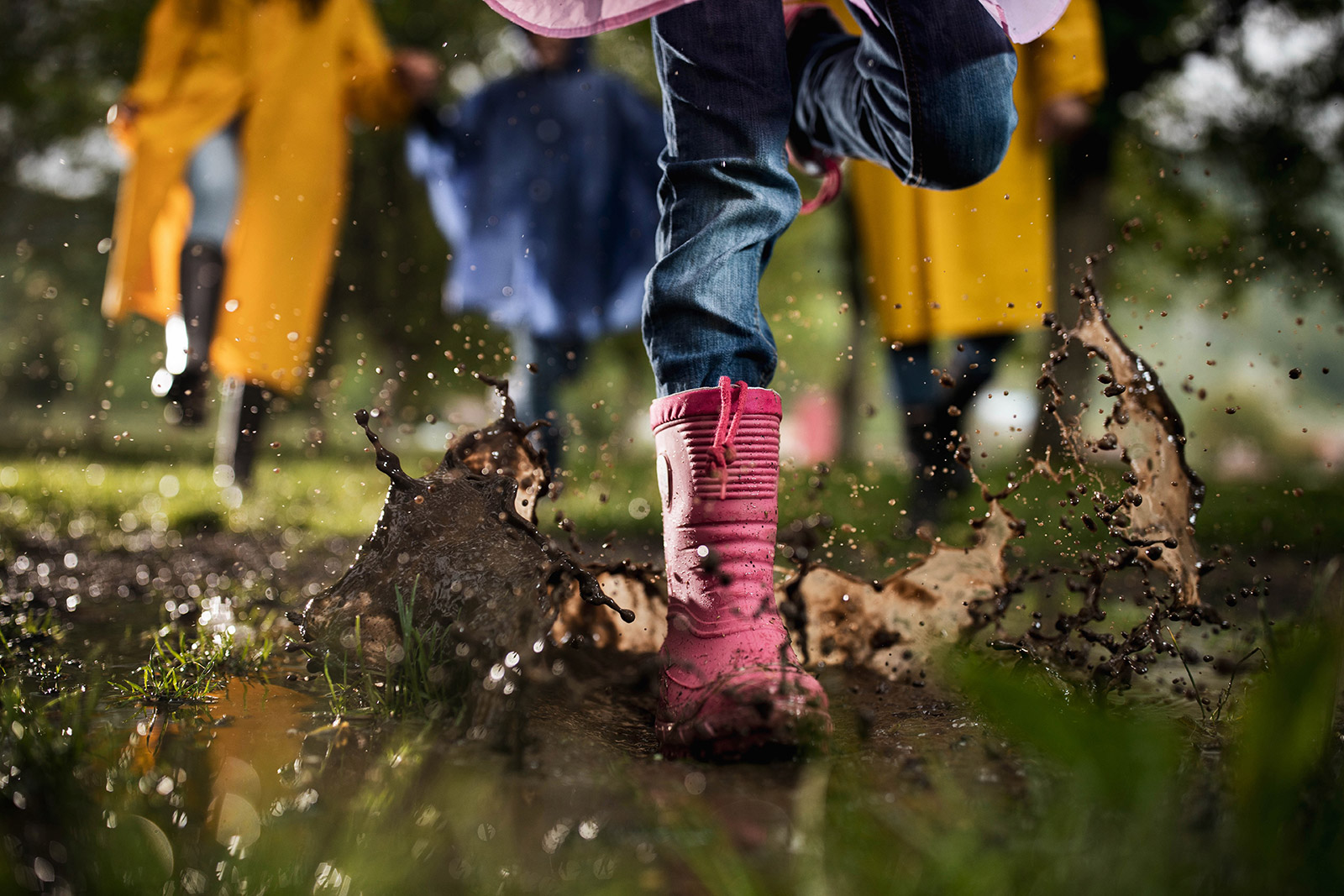
In a world increasingly obsessed with cleanliness, the idea of encouraging children to play in the mud might raise a few hackles. But emerging science suggests that getting dirty might be one of the healthiest things a child can do.
Welcome to the world of “dirty play” - the joyful, unstructured interaction with soil, plants, and the microbial life that surrounds us. While “risky play”, such as balancing on logs and hanging off trees, has long been celebrated for building resilience and confidence, dirty play, a new term coined by Barrable and Robinson, is now stepping into the spotlight as a vital, complementary force in child development.
But what is dirty play?
Splashing about in dirty puddles, mixing up mud pies and rolling around in the wet grass, is not about being
overly boisterous, naughty or neglecting hygiene – it’s about embracing nature in its raw, biodiverse form. Poking around the soil and examining wiggly worms, or building dens with sticks and piles of autumn leaves for jumping in, provide embodied learning experiences for children, stimulating their senses at every turn. It helps them connect with nature and exposes them to rich microbial ecosystems that modern urban life often filters out.
Dr Alexia Barrable, a Senior Lecturer in Social Science at QMU, argues that these kind of interactions in nature can build strong immune systems – reducing allergies and inflammatory diseases, and nurturing emotional wellbeing. She explained: “Children raised in rural environments, where exposure to soil and natural elements is more common, tend to have more diverse gut microbiomes and lower rates of immune-related conditions than their urban counterparts.”
Recent studies in environmental microbiology and public health show that interaction with biodiverse materials, including soil, change the skin and gut microbiome and activate immunoregulatory pathways, helping children’s bodies learn to distinguish between harmful and harmless microbes. This immune education is crucial in preventing chronic conditions such as asthma, eczema, and even anxiety.
Dr Barrable adds: “It is not just about the microbes. Dirty play stimulates curiosity, sensory development, and ecological empathy. It encourages children to explore, ask questions, and form lasting bonds with the natural world, something that we know is good for us, and for our planet.”
Dirty doesn’t mean dangerous
In this modern world, one of the biggest barriers to embracing Dirty Play is the misconception that dirt equals danger. Dr Barrable explained: “Being dirty isn’t the same as being unhygienic. Targeted hygiene, like washing hands after toilet use and before eating can coexist with mucky fingernails and muddy boots after outdoor play”.
Educators and policy makers play a vital role in reframing Dirty Play. By designing outdoor spaces that encourage interaction with nature and by modelling positive attitudes toward soil and microbes, they can help children and parents view dirt as an opportunity to learn and grow, rather than a threat.
Dr Barrable concluded: “We need to start integrating the Dirty Play concept into schools, urban play areas and community initiatives to improve learning, ecology and public health. As we move beyond the hand sanitiser mindset, we can encourage our young people to embrace the messy, microbial world of nature.
“To develop our younger generation as the custodians of our natural world, we must accept the fact that sometimes the healthiest places for children aren’t necessarily the cleanest, they’re often the dirtiest!”
Dr Barrable is the author of over 30 peer-reviewed articles on human-nature interactions, and three popular books on the same topic. Her fourth book, Dirty Play, is expected in 2026. Her work explores how we interact with the natural world and how we build relationships with nature, for our own and our planet’s wellbeing.