
From smartwatches to surgery apps: How research is creating smarter healthcare

QMU is at the forefront of pioneering physiotherapy research that harnesses digital technology to tackle some of the most pressing challenges facing healthcare today.
From transforming everyday smartwatches into powerful health monitors to developing interactive apps that guide patients through surgery preparation and recovery, our researchers are finding innovative solutions to reshape patient care and ease the burden on the NHS.
Turning smartwatches into health monitors
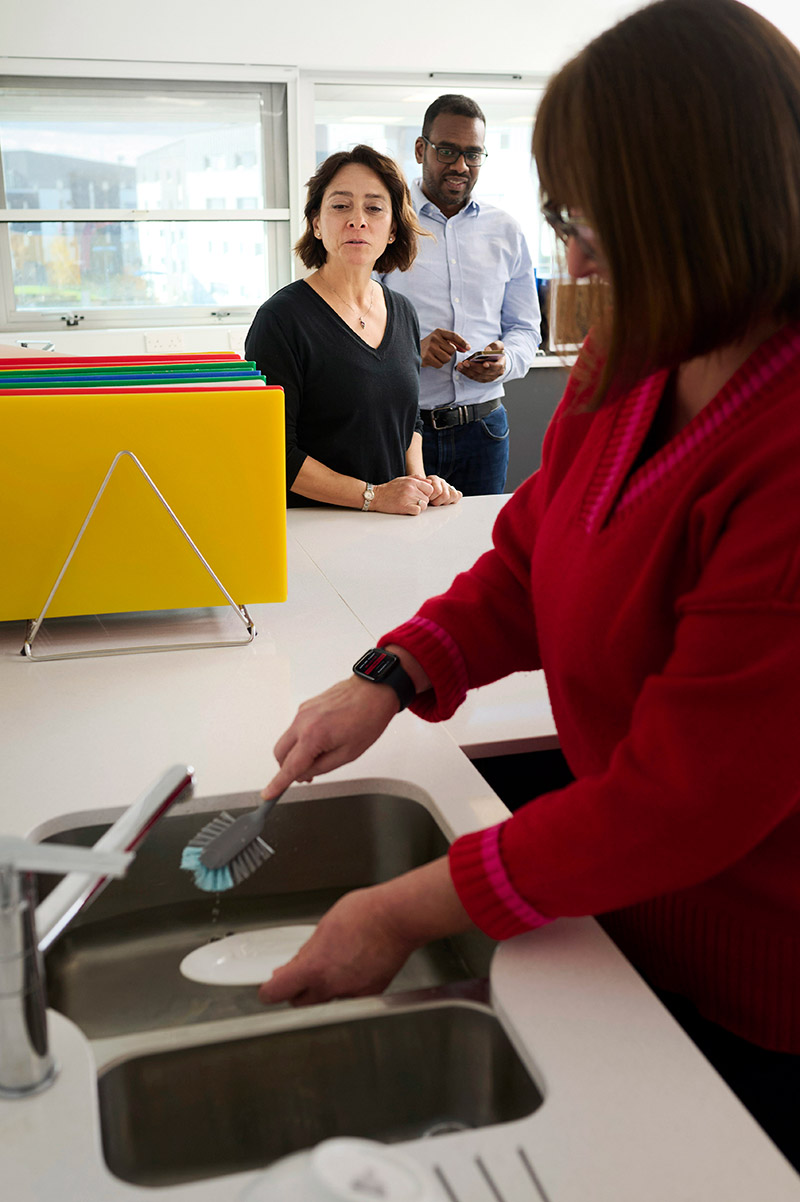
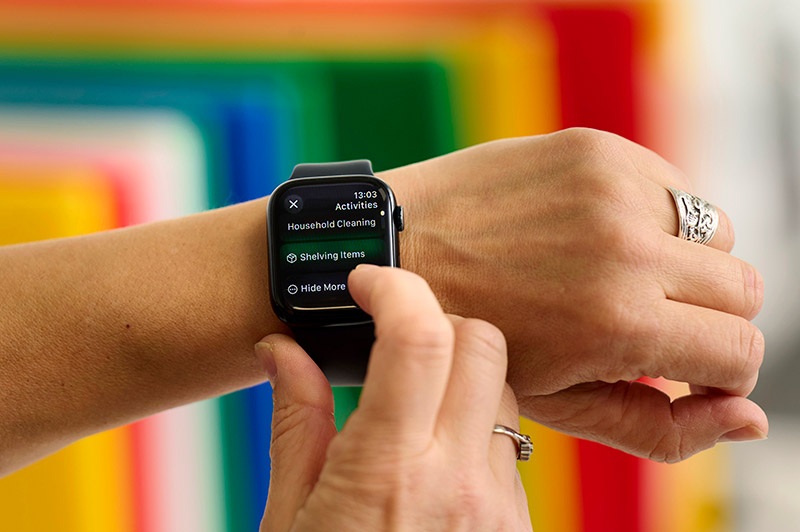
A multidisciplinary team of exercise and rehabilitation specialists at QMU, working with engineering experts from Edinburgh Napier University, is exploring how wearable tech, such as the Apple Watch, can monitor people’s daily activities at home. By tracking Activities of Daily Living (ADLs) - like walking, brushing teeth, washing dishes or vacuuming, the tech could provide clinicians with objective data and real-world insights into how individuals are coping with independent living.
Pelagia Koufaki, Professor of Clinical Exercise Physiology & Rehabilitation at QMU, explained: “Millions of people are now wearing technology on their wrists. We wanted to take advantage of that tech to better track people’s movements whilst they were going about their lives at home. This tool could be particularly useful for healthcare professionals working with people who may struggle to communicate how well they are functioning in their own homes.”
By detecting early signs of physical decline, the smartwatch-based system enables timely interventions, helping prevent unnoticed deterioration and reducing the risk of disability.
Research student Mustafa Ahmed, who has been conducting the project as part of his PhD, highlighted Apple’s support through its Investigator Support Programme, which provided grants for Apple Watch devices and other hardware to support health research. He said: “By monitoring people’s activities in their own homes, this wearable technology will provide more objective data than ever before. It can alert clinicians to emerging issues early, allowing tailored support to be put in place.”
This innovation could potentially reduce NHS costs while enhancing patient-centred care for older and frail individuals living in the community.

Revolutionising surgical care with digital apps
QMU physiotherapy researchers are also breaking new ground in surgical care with the development of an interactive app designed to prepare patients physically and mentally for surgery, and to support their recovery afterwards. Developed in collaboration with Scottish tech company asensei, the app combines clinical expertise with motion recognition software to deliver personalised, expert-led support directly to patients’ mobile devices.
Dr Lisa Salisbury, a physiotherapy expert at QMU, explained: “Patients who are in the best possible health at the time of surgery are far more likely to experience a smooth and successful recovery. However, providing pre-operative consultations is costly and resource-intensive for the NHS. Our app can deliver consistent, high-quality care remotely.”
The app guides patients through tailored exercise programmes, nutritional counselling, mental wellbeing tools, and clinical advice. Motion-sensing technology ensures exercises are performed correctly, with real-time feedback, and alerts to healthcare professionals if intervention is needed. This approach not only improves patient outcomes but also reduces the strain on NHS services by cutting down on face-to-face consultations.
Physiotherapist Alison Kelly, who has worked alongside Dr Salisbury on the project, emphasised the importance of combining ‘prehab’ and ‘rehab’: “Preparation for surgery is so important, but we also wanted to improve the rehabilitation process. The combination of effective prehab and rehab has significant benefits, helping patients return to a healthy way of life as quickly as possible.”
Shaping the future of healthcare
Both projects, described in this feature, highlight QMU’s commitment to developing digital solutions that put patients at the centre of their care while addressing the challenges of an overstretched health system. By combining physiotherapy expertise with cutting-edge technology, our academic teams are creating a future where healthcare is more proactive, personalised, and accessible.